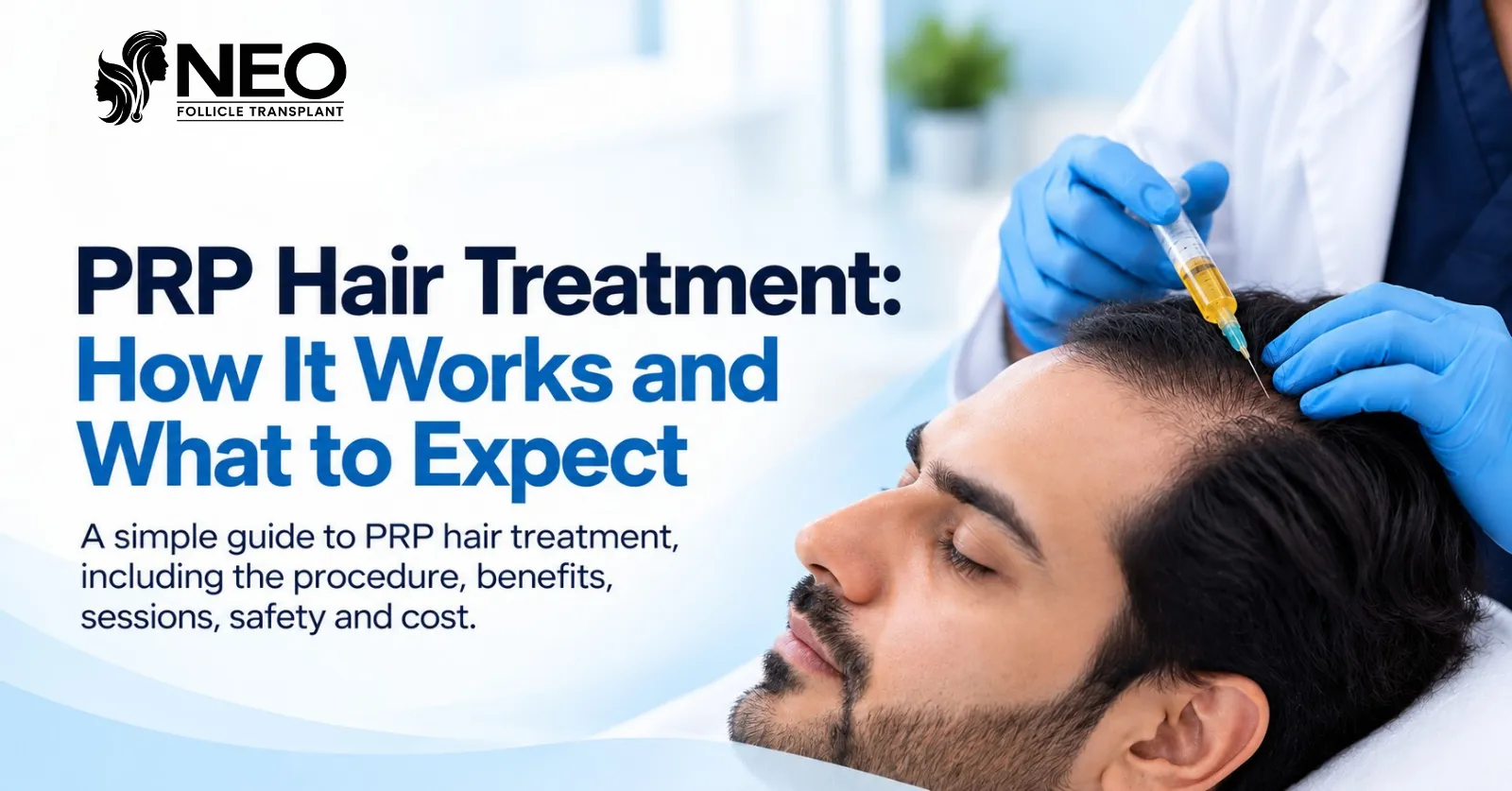
PRP hair treatment is one of the most searched non-surgical options for thinning hair. It uses a concentrate of platelets from your own blood, injected into the scalp to support the hair follicles. It can help some people and not others, so it is worth understanding how it works, what to expect and who it may suit before you decide. This guide explains the basics in plain language, including sessions, safety and the factors that affect cost.
What Is PRP Hair Treatment?
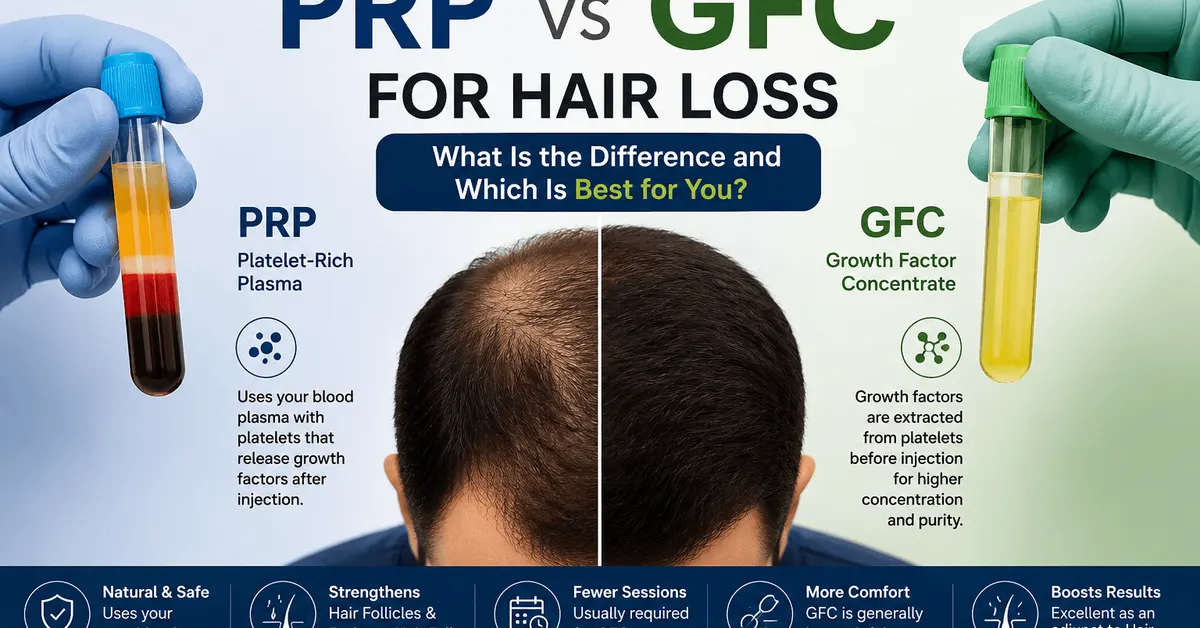
PRP stands for platelet-rich plasma. A small sample of your blood is drawn and spun in a centrifuge to separate the platelet-rich portion. Platelets carry growth factors that are thought to support follicle activity. The concentrate is then injected into thinning areas of the scalp. You can see how one clinic describes the process on its PRP hair treatment page.
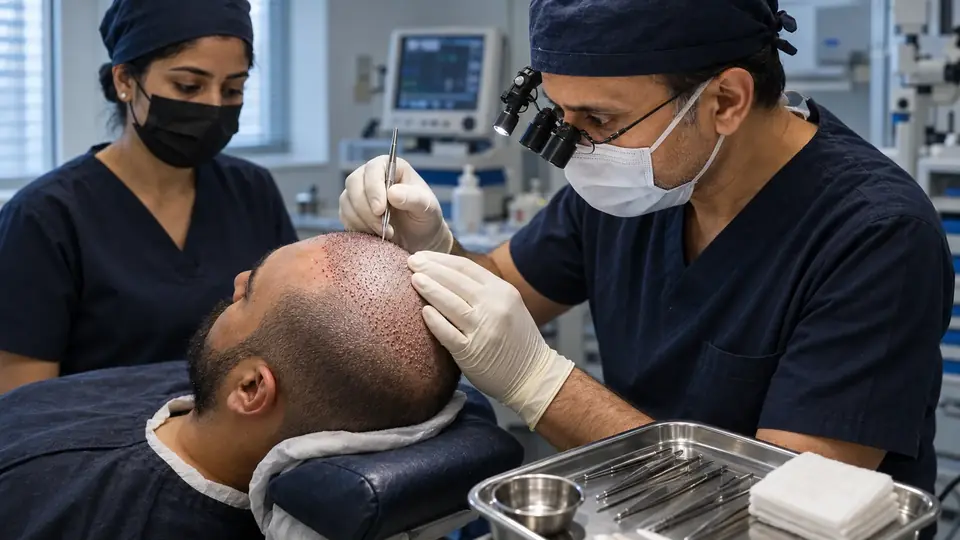
How a PRP Session Works
- Consultation and scalp assessment to confirm the cause of your hair loss.
- Blood collection from your arm.
- Processing of the sample in a centrifuge.
- Injection into the scalp, sometimes after applying a numbing cream.
- Aftercare advice and a follow-up plan.
Most people return to routine activities soon afterwards, though mild redness or tenderness can occur.
Who May Benefit
PRP is usually considered for early to moderate thinning, including pattern hair loss and some shedding after illness or childbirth, once the cause has been diagnosed. It is less likely to help where follicles are no longer active, such as in fully bald areas. Men with early pattern loss and women with hormonal or post-childbirth shedding are common examples, but the diagnosis decides. It may also be used alongside medicines, or after a hair transplant, at the doctor's discretion.
Sessions, Results and What the Evidence Says
PRP is normally given as a course of sessions, with maintenance sometimes advised, but the plan depends on the individual. Studies suggest benefit for some people with pattern hair loss, yet preparation methods, systems and schedules differ, so results are not predictable. Hair grows slowly, so changes are judged over months rather than weeks. Be cautious of any provider who promises a specific result or a fixed timeline. PRP is one of several options, and this comparison of GFC, exosome and QR678 shows how they differ.
Safety and Cost Considerations
Because PRP uses your own blood, allergic reactions are unlikely. Soreness, bruising or, rarely, infection can still occur. People with certain blood disorders, an active scalp infection or those taking blood thinners need a doctor's review first.
PRP hair treatment cost and PRP hair treatment price both depend on the number of sessions, the preparation method and your plan, so they are best discussed after an examination. If you are comparing PRP in Bangalore or searching for PRP hair treatment near me, ask who performs it and how the plan is explained. For the wider picture of treatment options, see the hair loss treatment overview.
Questions to Ask Before You Start
A good consultation leaves you better informed, not just booked in. Consider asking:
- Why is PRP suited to my type of hair loss, and what else was considered?
- How is the sample prepared, and who handles it?
- How many sessions are planned, and how will progress be reviewed?
- What are the risks for me, given my health and medicines?
- What happens if I see little change?
Who Is Less Likely to Benefit
PRP is not a universal answer. It is less likely to help where follicles have stopped producing hair, such as long-standing bald areas, or where the hair loss has a cause that needs a different treatment, for example an untreated thyroid problem or a scarring scalp condition. People with very advanced loss are often better served by discussing other options, including a transplant. A fair consultation should tell you if PRP is unlikely to suit you.
Preparing for a Session
Your doctor will give specific instructions, but common advice includes staying hydrated, eating normally beforehand and telling the clinic about every medicine and supplement you take. Blood thinners and some anti-inflammatory medicines can affect the procedure, so do not stop or change any prescribed medicine on your own. Avoid applying heavy styling products on the day. Wearing comfortable clothing and arranging a ride if you feel light-headed after a blood draw are simple, practical steps.
Aftercare: The First Few Days
The scalp may feel tender or slightly swollen, and mild redness is common. Your doctor will advise when you can wash your hair, exercise and use styling products again. Avoid scratching or rubbing the treated area and follow any instructions on sun protection. If you notice increasing pain, spreading redness, fever or discharge, contact the clinic promptly.
PRP Alongside Other Treatments
PRP is often considered one part of a wider plan rather than a standalone fix. Doctors may combine it with medicines suited to the type of hair loss or use it around a hair transplant. Because different providers combine treatments differently, ask why each element is included and how progress will be measured. A plan that can be explained clearly, step by step, is easier to trust than one that bundles many treatments without reasons.
Understanding the Evidence Honestly
Research on PRP for hair has shown benefit in some studies, but the studies use different preparations, volumes and schedules, so it is hard to say who benefits most or how often treatment should be repeated. That is a normal state of knowledge for a treatment still being studied, not a reason to dismiss it. It does mean that a provider should speak in terms of possibility, not promise, and should be ready to explain the limits of what is known.
Choosing Where to Have PRP
Look for a clinic with a registered doctor, clean procedure rooms and a clear explanation of how the sample is prepared. Ask whether the doctor will see you at each session and how progress is reviewed. Photographs taken in the same lighting before and during treatment help you judge change honestly. Be cautious of fixed-result promises or pressure to buy several sessions upfront.
A Realistic Approach to PRP
PRP can be a reasonable option for selected people with thinning hair, but it is not a guaranteed fix, and a proper diagnosis should come first. If you would like your own case assessed, you can arrange a consultation at Neo Follicle Hair Transplant Clinic in Marathahalli, Bangalore.
Neo Follicle Hair Transplant Clinic · 1st Floor, Scorpio House, near Marathahalli Bridge, Bengaluru 560037 · Phone and WhatsApp: +91 97312 07940
This article is for general information and does not replace an in-person consultation. Suitability and results vary from person to person.
Frequently Asked Questions
1. Is PRP hair treatment painful?
Most people tolerate it well, though injections can cause brief discomfort. A numbing cream may be used.
2. How many sessions are needed?
It varies. Your doctor will suggest a plan after examining your scalp and may review it as you progress.
3. Can PRP regrow hair on a bald scalp?
It is unlikely to where follicles are inactive. PRP is better suited to thinning hair than to completely bald areas.
4. Is PRP the same as GFC?
They are related but not identical. Both use your own blood, but they are prepared differently. The right choice depends on your diagnosis.
5. Are there side effects?
Mild redness, tenderness or bruising can occur and usually settle soon. Tell your doctor about your medicines, blood conditions or scalp infections beforehand.
Share this article :