DHI, short for Direct Hair Implantation, is a hair transplant technique that is often compared with FUE. Both begin by taking follicles from a donor area. The difference lies mostly in how the grafts are placed. This guide explains how a DHI hair transplant works, who it may suit, what recovery looks like and what to ask a hair transplant surgeon or hair transplant specialist before you decide.
What Is a DHI Hair Transplant?
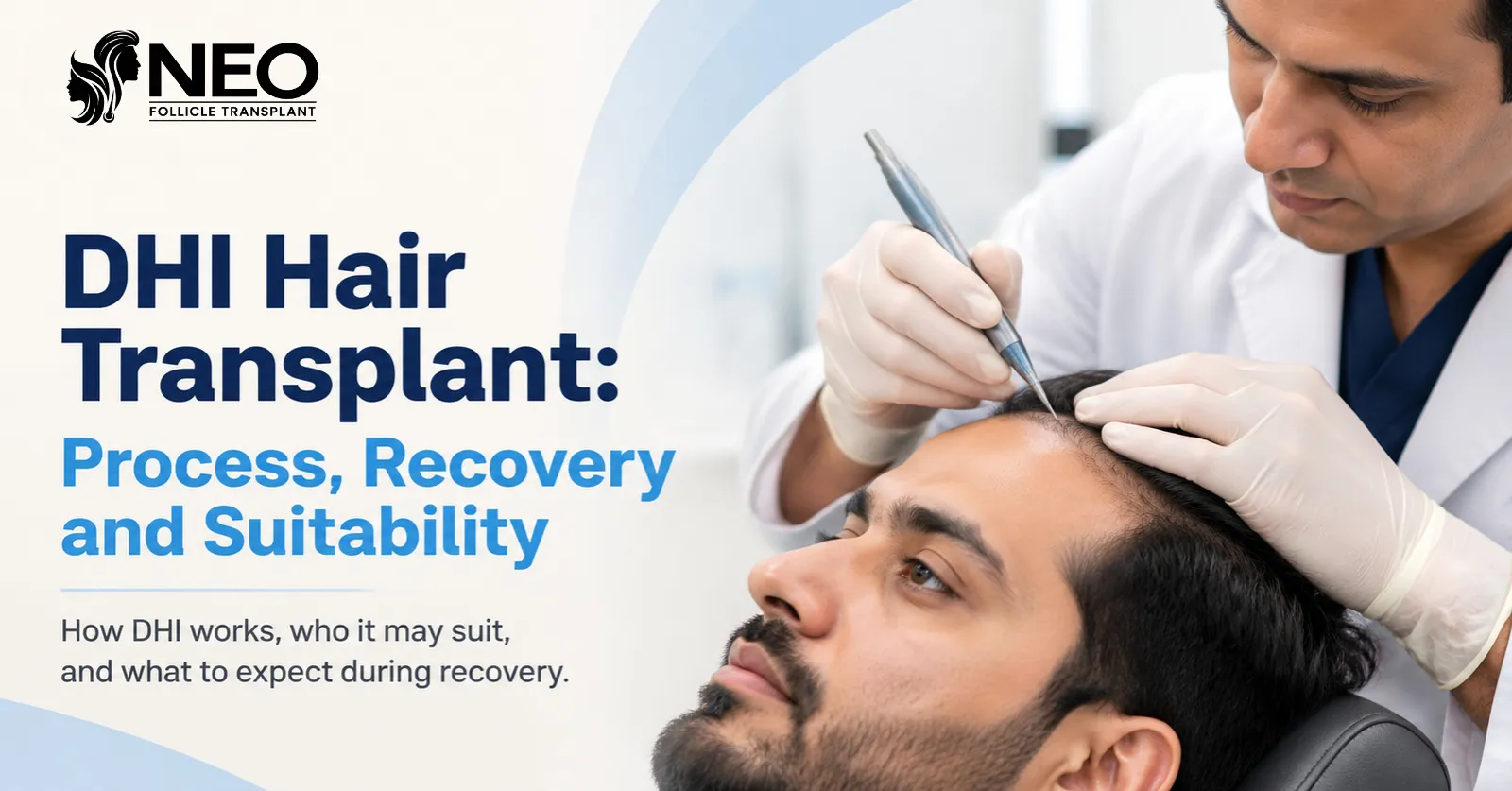
In a DHI hair transplant, individual follicles are extracted from the donor area, usually the back of the scalp, and placed using a fine implanter pen. The implanter holds a follicle and places it directly into the scalp at a chosen angle, direction and depth, without creating channels in advance. The aim is a natural-looking hairline and even density.
How DHI Differs from FUE
Both methods use follicular unit extraction to harvest grafts. In conventional FUE, recipient sites are usually made first and the grafts are then placed into them. DHI combines placement and implantation in one step using the implanter. Supporters of DHI point to control over angle and depth. Newer does not automatically mean better, so treat claims about the latest hair transplant technology with care. Neither method is better in every case. The result depends on your hair loss, your donor hair, the plan and the surgeon's skill. For a closer look, read this comparison of FUE vs direct hair implantation.
The DHI Process Step by Step
- Consultation and scalp examination, including a plan for the hairline and the number of grafts.
- Local anaesthesia to numb the donor and recipient areas.
- Extraction of individual follicles from the donor area.
- Implantation of each follicle with the implanter pen.
- Aftercare advice and follow-up visits.
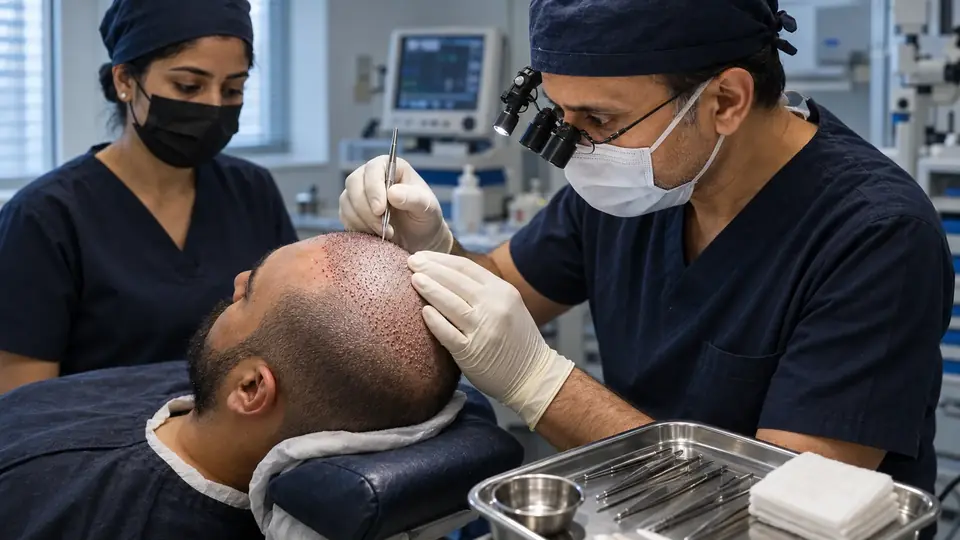
Most people go home the same day. Because each follicle is placed individually, larger sessions can take many hours, and part of the donor area may need to be trimmed. The length of the session depends on the number of grafts planned.
Recovery: What to Expect
Redness, mild swelling and small scabs are common early on. The transplanted hairs usually shed in the first weeks, which is a normal part of the process. New growth begins over the following months and builds gradually, and final results are usually judged after about a year. Your doctor will advise on washing, sleeping position, sun exposure and exercise. Recovery varies between people.
Who May Be Suitable
DHI may be considered for men and women with a receding hairline, frontal thinning, crown loss or stable pattern baldness who have enough healthy donor hair. It may not suit you if hair loss is still progressing quickly, donor hair is limited or a scalp condition is active. Some people are advised to start with medical treatment, and younger patients with an unsettled pattern of loss are often asked to wait or to stabilise it first. The clinic's page on hair transplant for men explains how it approaches planning.
Questions to Ask Your Hair Transplant Surgeon
- Are you a registered medical practitioner, and can I verify your registration?
- Who performs each step, from extraction to implantation?
- Which technique do you recommend for me, and why?
- How will you plan for future hair loss and protect the donor area?
- What follow-up is included?
At Neo Follicle, cases are planned by Dr. Sandeep Mahapatra, a dermatologist with a certification from DHI Global. You can read about his qualifications and background.
Strengths and Limits of the Implanter Pen Approach
The implanter pen gives the surgeon a way to control angle, direction and depth as each follicle is placed. Supporters value this control, especially around the hairline, where small details affect how natural the result looks. The limits are practical. Loading and placing follicles one by one can take longer, and large areas may need more than one session. Not every scalp or every plan is suited to the same tool, so the technique should follow the plan rather than the other way round.
Planning the Hairline
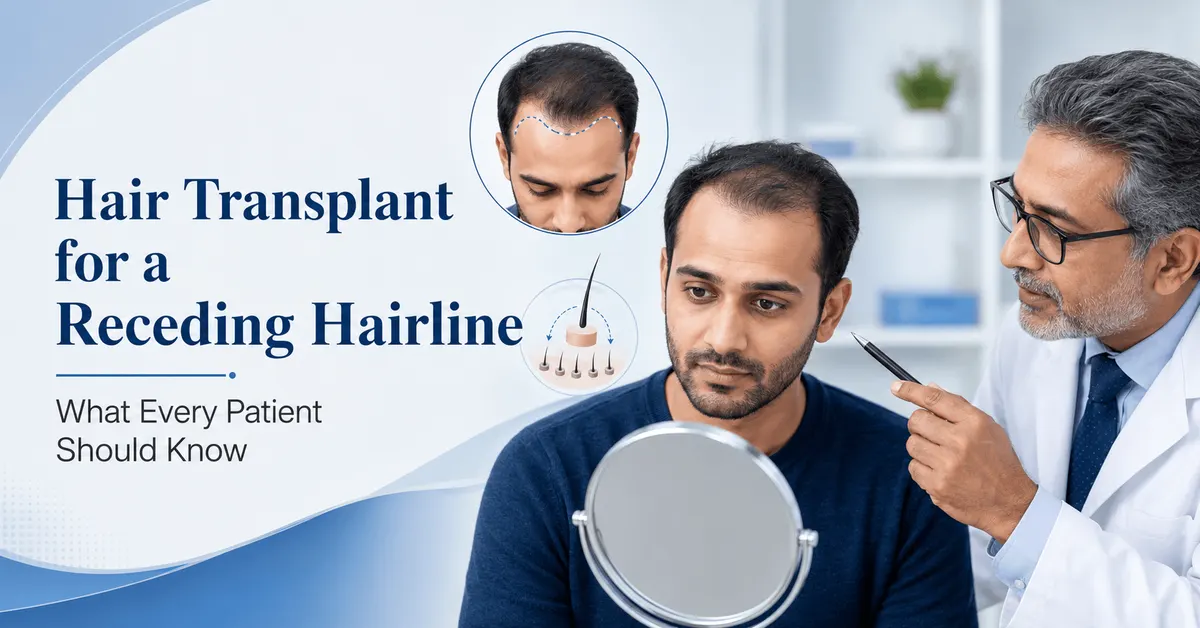
A natural hairline is irregular, softly shaped and appropriate to your age and face. A good plan avoids an overly low or perfectly straight line, which can look unnatural and may not suit future hair loss. Your doctor should explain where the line will sit, how many grafts it may need and how the rest of your hair loss is likely to progress. Planning for the years ahead matters more than reproducing the hairline you had as a teenager.
Understanding Shock Loss and Shedding
Some people notice that existing hair near the treated area thins temporarily after a transplant. This is sometimes called shock loss, and in many cases the hair recovers over the following months. The transplanted hairs also shed before regrowth begins. Both can be worrying if you are not expecting them, which is why your doctor should explain them beforehand.
Risks and Complications
Possible risks include infection, swelling, bleeding, scarring at the donor or recipient sites, poor growth and an unnatural-looking result. These can be reduced by sound planning, sterile technique and good aftercare. Ask the surgeon how complications are handled and how to reach the clinic if you have concerns after the procedure.
Preparing for the Day
Follow your doctor's instructions on medicines, smoking and alcohol. Eat a light meal, wear a loose front-opening top and arrange for someone to take you home. Bring a list of your medicines and any previous reports. After the procedure, follow the washing, sleeping and activity advice closely, because the grafts are delicate in the first days.
Is DHI Suitable at Different Ages?
Age is not the main question, but stability of hair loss is. In younger people the pattern of loss may still be changing, so a surgeon may advise waiting or starting with medical treatment to see how the loss behaves. In older people, the general health, donor density and expectations are the main points to discuss. A plan that suits you now should also make sense if your hair loss continues.
After the Procedure: Long-Term Care
Even after a successful transplant, your native hair may continue to thin, which is why many people are advised to continue medical treatment and attend follow-up visits. Protect the scalp from the sun, avoid harsh treatments until advised and keep to the aftercare plan. Long-term planning is part of the procedure, not an optional extra.
Choose the Technique That Fits Your Case
No single technique is right for everyone. A DHI hair transplant is one option, and the right plan comes from an examination of your scalp, your donor hair and your goals. If you would like your own case assessed, you can arrange a consultation at Neo Follicle Hair Transplant Clinic in Marathahalli, Bangalore.
Neo Follicle Hair Transplant Clinic · 1st Floor, Scorpio House, near Marathahalli Bridge, Bengaluru 560037 · Phone and WhatsApp: +91 97312 07940
This article is for general information and does not replace an in-person consultation. Suitability and results vary from person to person.
Frequently Asked Questions
1. Is DHI better than FUE?
Not in every case. Each has its place, and the right choice depends on your hair loss, your donor hair and the surgeon's experience.
2. Is a DHI hair transplant painful?
Local anaesthesia numbs the area, so most people feel pressure rather than sharp pain. Some soreness afterwards is common and can be managed.
3. Do I need to shave my head for DHI?
The donor area is usually trimmed, but how much depends on the plan and technique. Ask what applies to you.
4. How long until I see results?
Growth usually begins after a few months and keeps building. Final results are generally judged after about a year.
5. Can a hair transplant fail?
Poor growth or complications can occur. That is why careful planning and a qualified, registered surgeon matter, along with following the aftercare advice.
Share this article :