
Losing some hair every day is normal. Losing noticeably more, or seeing your scalp show through, is a reason to look for the cause. The honest answer to how to stop hair fall is that it depends on why it is happening. Some hair fall settles on its own once a trigger passes. Other types need long-term medical management.
This guide covers the common causes, sensible first steps, treatments a doctor may consider and the signs that mean it is time to get checked.
Is It Normal Shedding or Hair Loss?
Everyone sheds some hair daily as part of the natural growth cycle. It becomes a concern when shedding stays high for weeks, when hair looks thinner, when the parting widens or the hairline recedes, or when bald patches appear. A change that lasts is worth examining rather than waiting out. Seeing some hair on your pillow, comb or in the shower drain is common. What matters is a change from your own usual pattern. A wider look at causes and options is available in the hair loss treatment overview.
Common Causes of Hair Fall
- Pattern hair loss. Inherited and hormone-linked, it is the most common cause of gradual thinning in both men and women.
- Temporary shedding. Illness, high fever, childbirth, major stress or crash dieting can push many hairs into the shedding phase at once. It often settles after the trigger passes.
- Nutritional and medical causes. Low iron, low vitamin D or thyroid problems can contribute, and only blood tests can confirm them.
- Scalp conditions. Dandruff, fungal infection or inflammation can weaken hair.
- Patchy loss. Conditions such as alopecia areata cause round bald patches and need a doctor's diagnosis.
- Hair care habits. Tight hairstyles, harsh chemical treatments and heavy heat styling can cause breakage or traction.
What You Can Do at Home
Eat a balanced diet with enough protein, sleep well and manage stress. Handle wet hair gently, avoid tight styles and limit heat and chemicals. Treat dandruff early. Avoid starting supplements or "hair growth" products at random. If a deficiency is not the cause, they may not help, and some products can irritate the scalp.
Medical Treatments a Doctor May Consider
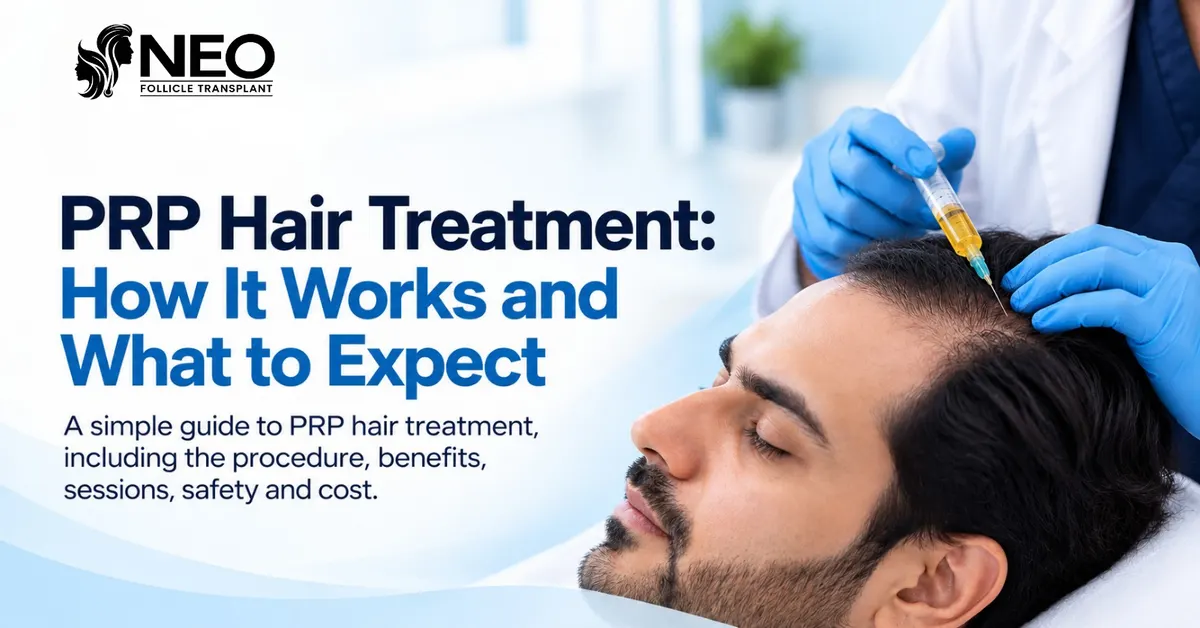
Treatment follows diagnosis, and the options for hair thinning treatment or hair regrowth treatment differ by cause. For pattern hair loss, doctors may prescribe medicines such as minoxidil or finasteride, which suit some people and not others. Procedures such as PRP hair treatment are used in selected cases, and the evidence for them varies.
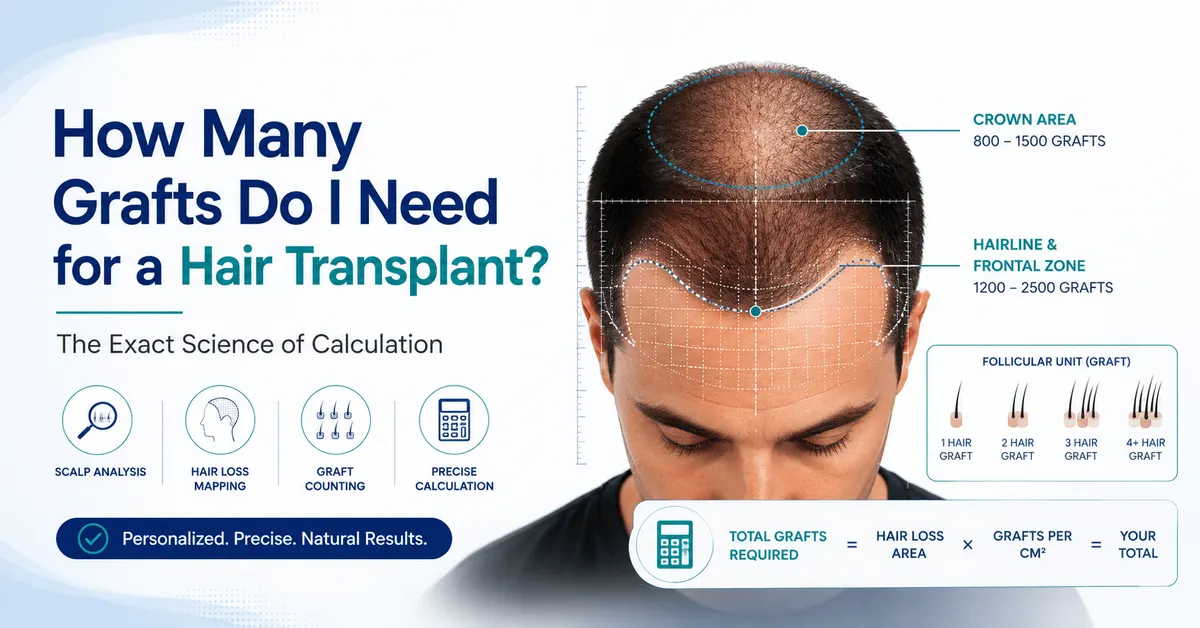
For advanced, stable loss with enough donor hair, a hair transplant may be discussed. This guide to medical treatments for hair loss explains how doctors weigh the options. No treatment suits everyone, and results vary.
When to See a Doctor
Book an examination if you notice any of the following:
- Sudden or patchy hair loss
- Scalp pain, itching, redness or scaling
- Hair loss along with tiredness, weight change or irregular periods
- Shedding that began after starting a new medicine
- Thinning that has continued for more than a few months
If you are searching for hair fall treatment near me, look for a registered doctor who examines you and explains the diagnosis first. A dermatologist will take a history, examine the scalp and may advise blood tests. If you want a starting point, the online hair assessment can help you describe your pattern before a visit.
Understanding the Hair Growth Cycle
Hair grows in cycles. Each strand grows for a long phase, rests briefly and then sheds, making room for a new hair. At any time a small share of your hair is in the shedding phase, which is why a few strands on a comb are normal. Problems begin when more hairs than usual enter the shedding phase together, or when follicles shrink and produce finer, shorter hairs with each cycle. Pattern hair loss works in the second way. Temporary shedding after illness or stress works in the first. Knowing which one you have changes the advice you need.
Nutrition and Lifestyle Factors
Hair needs a steady supply of protein, iron and other nutrients. Crash diets, very low protein intake and untreated deficiencies can show up in the hair some weeks or months later. Smoking, poor sleep and long periods of high stress may also play a part, though the effect varies. Rather than buying several supplements, ask a doctor whether a blood test is worthwhile. Taking iron or vitamin D without a confirmed need is not advised, since too much can be harmful.
Treatment Timelines and Realistic Expectations
Hair is slow. After a trigger such as illness or childbirth, shedding may continue for a few months before regrowth is noticeable. Medical treatments for pattern hair loss are usually judged over months, not weeks, and stopping them often means the benefit fades. Be wary of any product or provider that promises a quick or guaranteed fix. A good plan has a clear diagnosis, a stated timeline for review and an honest discussion of what is and is not possible.
Hair Care Habits Worth Changing
- Avoid tight ponytails, braids and buns that pull on the roots.
- Limit heat styling and harsh chemical treatments.
- Use a gentle shampoo and treat dandruff early.
- Avoid rubbing wet hair hard with a towel.
- Do not stop prescribed medicines without asking your doctor.
None of these will reverse inherited hair loss, but they can reduce avoidable damage while you find the cause.
Hair Fall in Men and Women
The causes overlap, but the patterns often differ. Men more often notice a receding hairline and thinning at the crown, while women more often notice a wider parting and overall thinning with the hairline kept. Women may also be affected by iron levels, thyroid problems and hormonal changes around pregnancy and menopause. Because of this, the same product does not suit everyone, and some medicines are unsafe in pregnancy. A proper assessment looks at your age, sex, medical history and pattern of loss before suggesting a plan.
Myths That Waste Time and Money
Hair does not fall out because of washing it, oiling it or combing it, although harsh handling can cause breakage. Wearing a cap or helmet does not cause baldness. Shaving does not make hair grow thicker. Many products claim to stop hair fall quickly, but few have strong evidence. If a claim sounds too good to be true, ask for the evidence, and discuss it with a doctor before spending.
Find the Cause Before Choosing a Treatment
Hair fall has many causes, and the right step depends on yours. If it has lasted more than a few months or is getting worse, a consultation can identify the cause and whether treatment is needed at all. It helps to bring a note of recent illnesses, medicines, diet changes and any family history of hair loss. You can reach Neo Follicle Hair Transplant Clinic in Marathahalli, Bangalore, using the details below.
Neo Follicle Hair Transplant Clinic · 1st Floor, Scorpio House, near Marathahalli Bridge, Bengaluru 560037 · Phone and WhatsApp: +91 97312 07940
This article is for general information and does not replace an in-person consultation. Suitability and results vary from person to person.
Frequently Asked Questions
1. Can hair fall be stopped completely?
Not always. Temporary shedding often settles once the cause is treated. Hereditary hair loss is usually managed over the long term rather than switched off.
2. How long does it take to see improvement?
It depends on the cause and the treatment. Hair grows slowly, so changes are usually judged over months, not days.
3. Do hair-growth shampoos and oils work?
Gentle products can keep the scalp clean, but few have strong evidence of regrowth. Ask a doctor before relying on them.
4. Can stress cause hair fall?
Yes. Major stress can trigger temporary shedding a few months later. It usually settles once the stress eases.
5. Is hair fall in women different from men?
The causes overlap, but women more often have diffuse thinning linked to hormones, iron or thyroid levels. A proper check helps find the cause.
Share this article :