A patchy or sparse beard can come down to genetics, scarring or a medical condition. When grooming and shaving habits do not help, some men consider a beard transplant. This guide explains what the procedure involves, who it may suit, what recovery looks like and what affects the cost, so you can decide whether it is worth exploring further.
What Is a Beard Transplant?
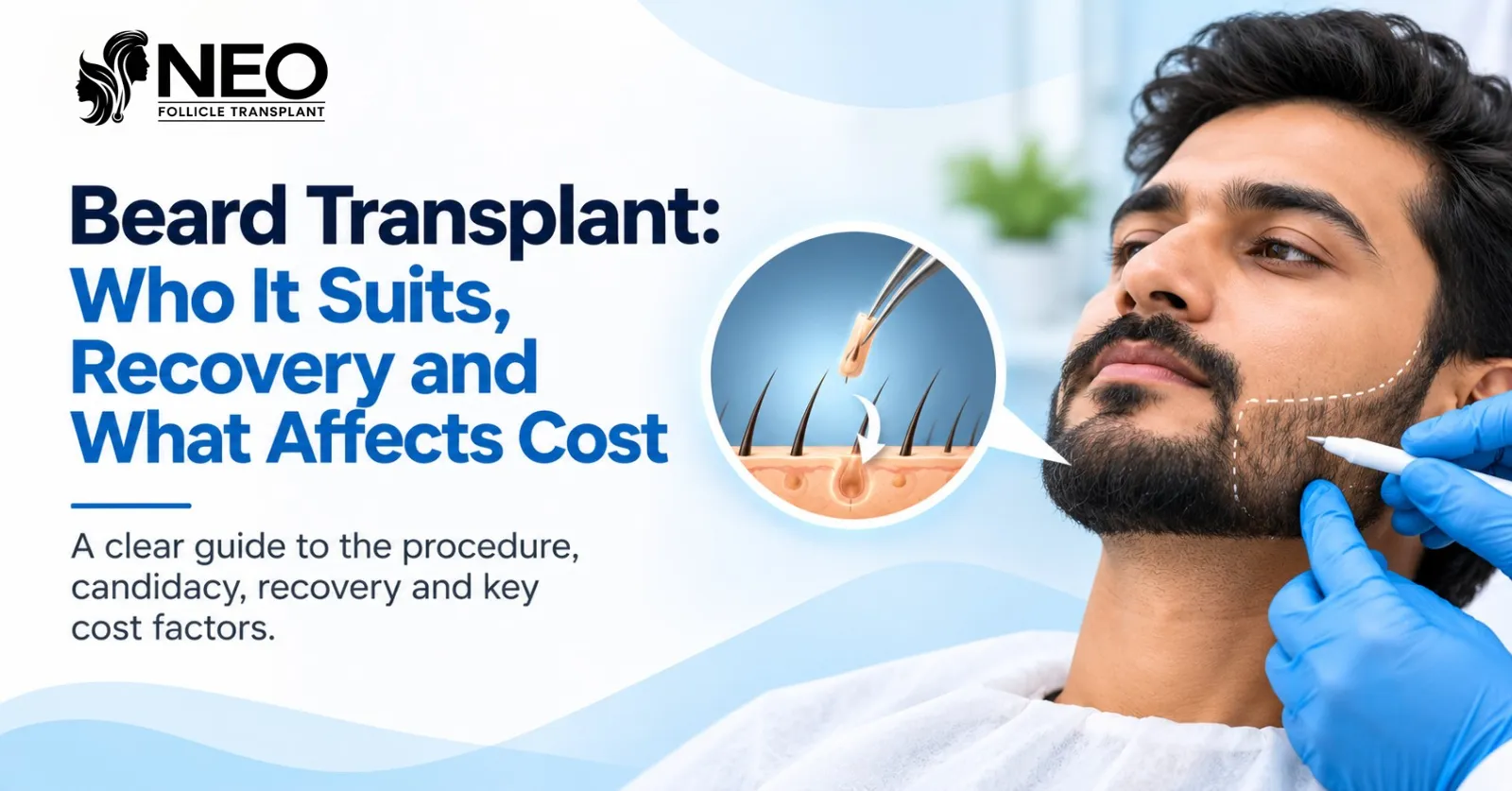
A beard transplant moves hair follicles from a donor area, usually the back of the scalp, to parts of the face with little or no growth. Individual follicles are extracted, commonly by FUE, and placed one by one to follow the natural direction and angle of beard growth. Because the follicles come from your own body, the procedure does not involve artificial hair. The clinic's beard transplant in Bangalore page describes its approach.
Who May Be a Candidate
- Patchy or thin beard growth
- Gaps in the moustache, sideburns or goatee
- Beard loss from scars caused by injury, burns or earlier surgery
- A wish to define the beard line more clearly
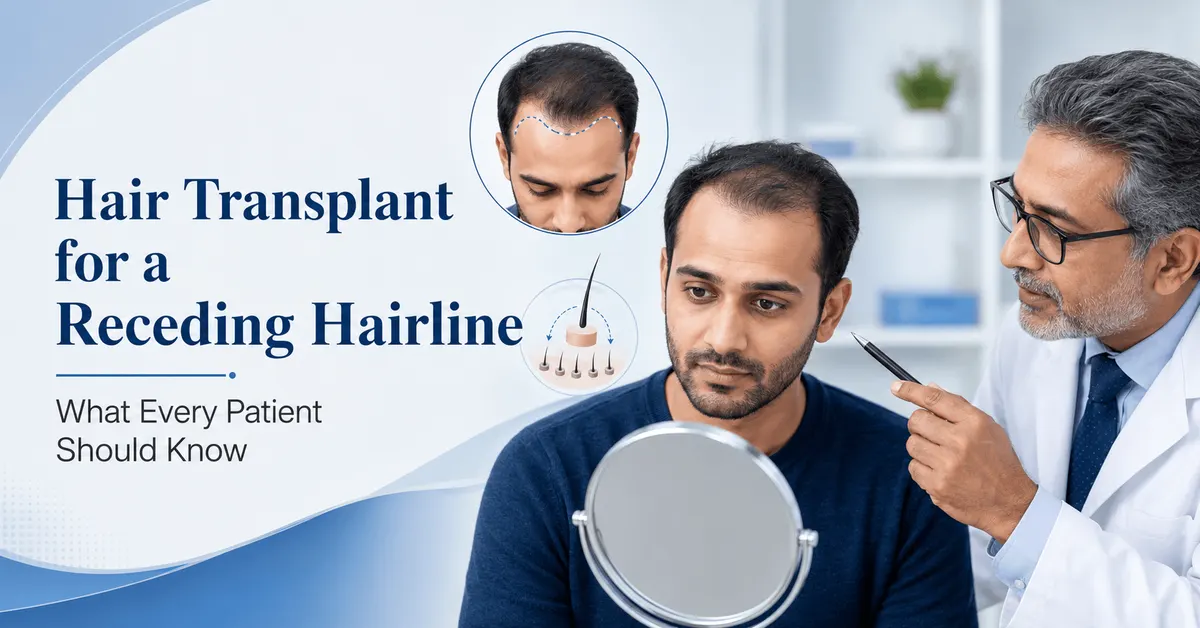
You also need enough healthy donor hair. A doctor will also want to be sure the pattern of loss is stable, and will discuss realistic expectations about density, since grafts are placed to suit the donor hair available. Not every case needs surgery, so an examination should come first.
Rule Out Medical Causes First
Patchy beard treatment starts with a diagnosis. Patches can be caused by alopecia areata, fungal infection or inflammation, and these may need medical treatment instead of surgery, or before it. A doctor should examine the area, especially if patches appeared suddenly or are itchy, red or scaly. Noting when the patches began and whether they have changed helps the doctor reach a diagnosis.
What Happens During the Procedure
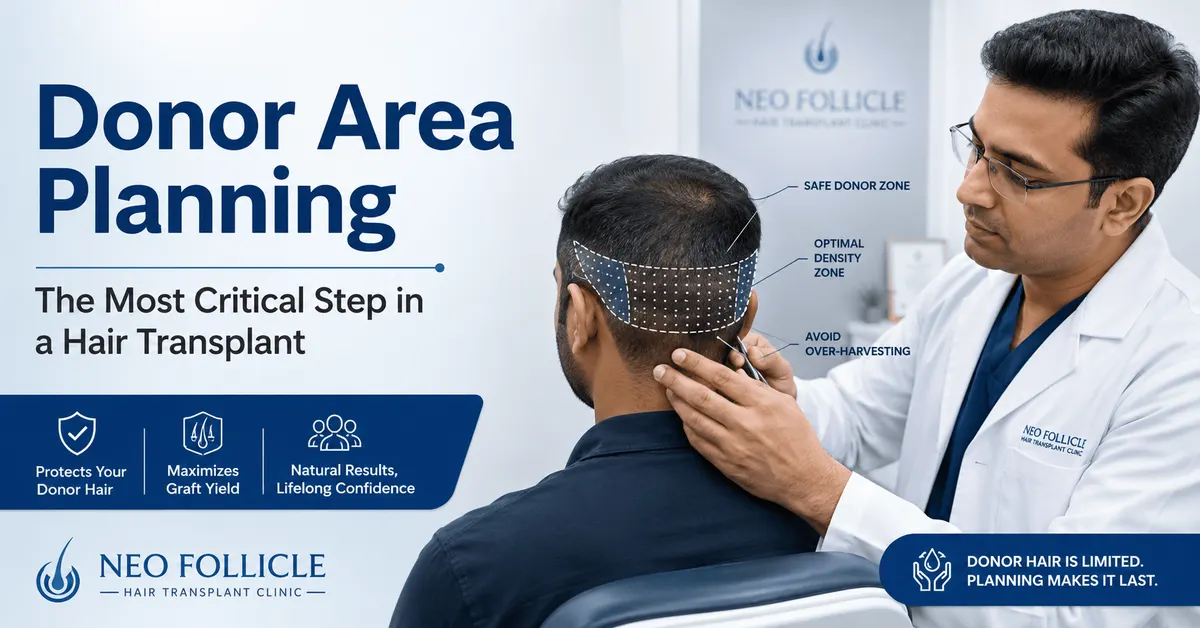
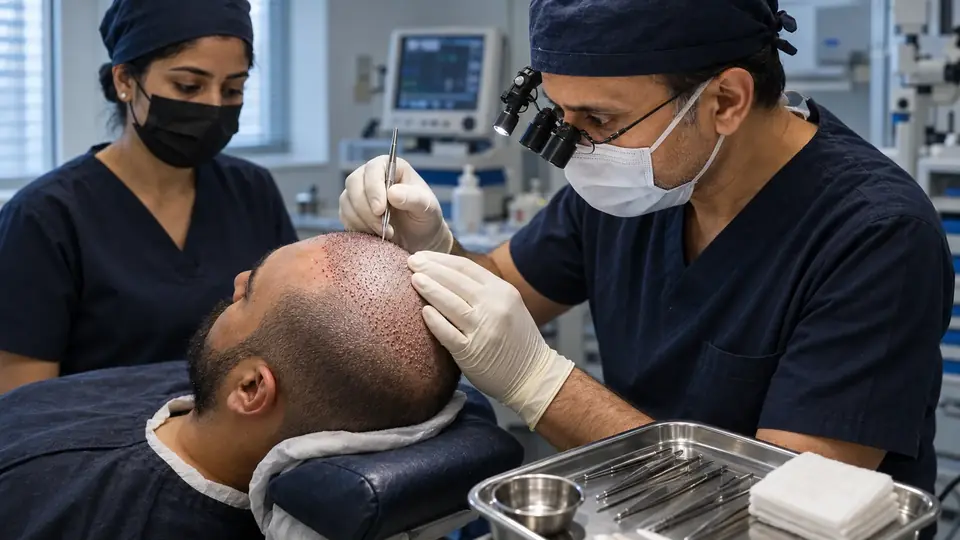
After the beard line is designed and the number of grafts is planned, donor follicles are extracted under local anaesthesia and then implanted into the beard area. Most people go home the same day, and the time taken depends on the area treated. The donor area is a limited resource, so careful planning matters. This article on donor area planning explains why.
Recovery and Results
Redness, small scabs and mild swelling are common in the first days and settle gradually. Your doctor will advise you on washing, sweating, sun protection and when you can shave. Avoid picking at scabs, because that can disturb the grafts. The transplanted hairs often shed within the first weeks, and new growth appears over the following months, with density building gradually. Transplanted hair usually keeps the traits of the donor area, but results vary with the person, the donor hair and the area treated.
What Affects Beard Transplant Cost
Beard transplant cost depends mainly on the size of the area, the number of grafts needed, the donor hair available and the planning involved. Because every beard pattern is different, an examination is needed before a reliable estimate can be given. Ask what the quote includes, such as follow-up visits.
If you are searching for a beard transplant near me, check the surgeon's qualifications and registration before you decide. The clinic's page on Dr. Sandeep Mahapatra lists his qualifications and background.
Choosing the Beard Design
A beard is judged by its line and density, so design matters as much as technique. The doctor will map the cheek line, neckline, moustache and any gaps, keeping in mind your face shape and the style you prefer. A natural look often means placing hairs at varying angles and avoiding a sharp, perfectly straight line. Bring photographs of styles you like, and ask how your own donor hair will behave, since beard hair in the new area will take on the characteristics of the hair it came from.
Donor Hair: Scalp or Body
Donor hair for a beard transplant usually comes from the back of the scalp, because that hair is generally the most reliable. In some cases other areas may be considered. The donor choice affects texture and curl, so it should be discussed during planning. Because donor hair is limited, a plan that also considers any future scalp transplant is sensible, and this is where careful planning pays off.
Before the Procedure
Your doctor will advise on medicines to avoid, such as certain blood thinners, and on smoking and alcohol before the procedure. You may be asked to let the beard grow to a certain length or to keep it trimmed. Arrange for time off work and a ride home if advised. Disclose every medicine, allergy and medical condition, and ask about any scalp or skin infection that might delay treatment.
Caring for the Area in the First Weeks
The first days are the most delicate. Avoid touching, scratching or rubbing the grafts, keep the area clean as directed and protect it from sun, swimming pools and heavy sweating until your doctor says it is safe. Shaving is typically delayed. Sleeping with the head slightly raised may help with swelling. Follow-up visits allow the doctor to check healing and answer questions.
Realistic Expectations
A beard transplant adds hair where there was little or none, but it cannot guarantee a particular density or style. Results depend on the donor hair, the area treated and how well the grafts settle. Some grafts may not grow, and a second session is sometimes discussed after the first has fully matured. Ask your doctor what is realistic for your face, and treat any promise of a fixed outcome with caution.
Questions to Ask Before You Decide
- Am I a suitable candidate, and have medical causes been ruled out?
- Where will the donor hair come from, and how much can be used?
- How will the beard line be designed?
- What risks apply to me?
- What follow-up is included?
- What happens if some grafts do not grow?
Clear answers to these questions matter more than any promise of a result. If you feel rushed or the answers are vague, take more time or seek a second opinion.
Beard Transplant and Grooming Habits
After healing, the new beard can be trimmed and shaped like natural hair, but the area may need gentle handling at first. Ask your doctor when you can use a razor or trimmer and what products to avoid. Healthy skin care, such as keeping the area clean and moisturised as advised, supports healing and comfort.
Decide After a Proper Assessment
A beard transplant can suit selected men with patchy or scarred beard growth, but it is a surgical procedure and not a quick fix. Understanding the cause, the process and the limits helps you make a calm decision. If you would like your own case assessed, you can arrange a consultation at Neo Follicle Hair Transplant Clinic in Marathahalli, Bangalore.
Medically reviewed under the guidance of Dr. Sandeep Mahapatra, MBBS, MD (Dermatology, Venereology & Leprosy), certified DHI specialist (DHI Global). Registration No.: [Registration No. – to be added]
Neo Follicle Hair Transplant Clinic · 1st Floor, Scorpio House, near Marathahalli Bridge, Bengaluru 560037 · Phone and WhatsApp: +91 97312 07940
This article is for general information and does not replace an in-person consultation. Suitability and results vary from person to person.
Frequently Asked Questions
1. Is a beard transplant permanent?
Transplanted hair usually keeps the traits of the donor area, and many people have long-lasting results. Outcomes still vary, so ask the doctor what to expect in your case.
2. When can I shave after a beard transplant?
Your doctor will advise. Shaving is usually delayed until the grafts have settled.
3. Will a beard transplant look natural?
Natural-looking results depend on planning the direction, angle and density of the grafts. Careful design helps, but no outcome can be guaranteed.
4. Can a beard transplant cover scars?
It can be considered for scarred areas if the skin is suitable. The doctor will assess whether grafts are likely to grow there.
5. Are there other options for a patchy beard?
Yes, depending on the cause. Medical treatment, treatment of an infection or watchful waiting may be advised. A diagnosis comes first.
Share this article :